How to track ovulation with irregular periods

Iona Nelson

Dr. Erica Brondolin PhD

Follows NC° Editorial Policy
At Natural Cycles, our mission is to empower you with the knowledge you need to take charge of your health. At Cycle Matters, we create fact-checked, expert-written content that tackles these topics in a compassionate and accessible way. Read more...
Key takeaways
- Irregular periods can sometimes indicate that your body hasn’t ovulated
- There are several biological signs of ovulation and specific ways to track these, and understand whether you are ovulating or not
- Learning how to track ovulation with irregular periods can be helpful if you are trying to conceive or want to understand more about your cycle
- You can use Natural Cycles to track ovulation tests, cervical mucus, and body temperature in one place
Irregular periods can be frustrating, especially if you are looking to track your ovulation and your fertile window to conceive or avoid pregnancy. Thankfully, there are ways you can track ovulation successfully even if you experience irregularities in your cycle. In this article, we will explore what irregular periods are and the causes, how irregular periods can affect ovulation, and the best ways to track ovulation with irregular periods.
What is an irregular period?
When we talk about irregular periods, we usually mean irregular menstrual cycles, often specifically the cycle length. Since your menstrual cycle starts on the first day of your period, any variation in cycle length can impact your period, causing it to be late or early.
Traditionally, a “regular” cycle is 28 days. But our bodies don’t run like clockwork. Everyone’s cycle is unique, and many of us will experience occasional irregularities. Research at Natural Cycles looked at over 600,000 cycles and found that only 13% were 28 days long [1]. Instead, cycle length varies among individuals and throughout your lifetime, and the “normal” range is considered to be between 21 and 35 days [2].
Irregular cycles and irregular periods can also refer to other abnormalities in the cycle, not just length. Other signs of an irregular period include [2]:
- A heavier or lighter period than usual
- A period that lasts for more than seven days
- Bleeding or spotting between periods
- Not having a period for three to six months
- A cycle that varies by more than 7-9 days
What is ovulation?
Before we start to track ovulation, let’s recap what ovulation is. Ovulation occurs when an egg cell is released from the ovary. This happens once per cycle, and the egg cell survives for up to 24 hours. If it is not fertilized by a sperm cell within this time, the egg cell dies, and the menstrual cycle proceeds to the luteal phase and subsequent period [3].
Do irregular periods affect ovulation?
Though we often focus on menstruation, ovulation is more likely to affect irregular periods rather than the other way around.
As ovulation occurs before menstruation, a lack of ovulation and the associated hormones involved may contribute to irregular periods. The absence of ovulation is called anovulation. With this in mind, irregular periods may be a sign that you are not ovulating. But having irregular periods does not immediately mean you are not ovulating. It all depends on what is causing your irregular periods. Common causes of irregular periods include:
- Polycystic ovary syndrome (PCOS): A common hormonal condition that can interrupt and stop ovulation
- Endometriosis: A condition that causes your body to produce uterine tissue to grow in areas outside of the uterus, causing heavy and painful periods
- Primary ovarian insufficiency (POI): This is when the ovaries stop working correctly, leading to irregular ovulation, irregular periods and sometimes infertility [4]
- Hyperthyroidism or hypothyroidism: The thyroid gland plays a significant role in hormone regulation, and both an overactive thyroid and an underactive thyroid can contribute to irregular periods [5]
- Puberty and perimenopause: It is common to experience irregular periods at the beginning and end of our fertile years, as hormones fluctuate
- Breastfeeding: The hormone prolactin that is produced while breastfeeding can interrupt ovulation and irregular periods [6]
- Lifestyle factors: Chronic stress, heavy smoking or drinking, weight gain or loss, and sudden changes to diet or exercise levels can all lead to delayed or irregular periods [7]
The best way to know if you are ovulating with irregular periods is to learn the root cause and track ovulation.
What are the typical signs of ovulation?
Learning to track ovulation with irregular periods can help you understand your body on a deeper level and, if you are trying to get pregnant, improve your chances of conceiving. Ovulation tracking can also provide you with helpful information to bring to your doctor when discussing your irregular periods. There are several biological signs of ovulation you can look out for in each cycle.
Increased basal body temperature
Similar to heart rate, our body temperatures fluctuate throughout the day as we wake, move, eat, and sleep. In the same way that your heart rate is at its lowest while you sleep, so is your body temperature. This baseline reading is your basal body temperature (BBT).
BBT and the menstrual cycle are closely linked. As you progress through the different stages of your menstrual cycle, your BBT follows a clear curve influenced by hormones [8]. At the beginning of your cycle (during your period), your temperature is lower. After ovulation, your body releases progesterone, which causes a rise in BBT. The change is small but significant, and by tracking your BBT, you can pinpoint your fertile window, where ovulation occurs.
Changes in cervical mucus
The texture, consistency, and amount of cervical mucus you have varies throughout your cycle, influenced by fluctuating estrogen levels [9]. Typically, before ovulation, your cervical mucus is likely to look and feel creamy, and may be a creamy or yellow-white colour. Closer to and during ovulation, you are likely to have a higher amount of cervical mucus, and it is likely clear in colour and resembles a slippery and stretchy egg-white texture [10].
Ovulation spotting or pain
Some, but not all, women may experience spotting or pain around the time of ovulation. Ovulation spotting is lighter than a period and will occur earlier than the expected period. More research is needed into the causes of ovulation spotting, but it is thought that hormonal changes play a role. It is important to note that there are many potential causes of spotting, and you should always consult with your doctor if you have concerns about spotting or abnormal bleeding.
Ovulation pain, also known as Mittelschmerz, is thought to affect as many as 20-40% of women. It often feels like a dull or sharp twinge, though some individuals may find the pain more severe. Ovulation pain is only felt on one side of your stomach area, relating to which ovary is releasing the egg cell [11, 12, 13].
Changing cervix position
Did you know that your cervix changes position throughout your cycle? The cervix can be viewed as the doorway to the uterus; it is responsible for keeping out infection, allowing menstrual blood to leave, and allowing sperm cells to enter during the fertile window. It also plays a crucial role in pregnancy and birth [14].
Throughout your cycle, the cervix moves higher up the vagina or lower down, depending on the cycle stage. During ovulation, your cervix sits high in the vagina. After ovulation, it starts to drop, reaching its lowest at the start of your next cycle, during your period. Tracking the position of your cervix can help indicate what stage of your cycle you are in and track ovulation.
How to check your cervix position
Using clean hands, slide your index or middle finger inside your vagina as far as you can reach. Try aiming in the same direction you would to insert a tampon, moving up and back. The cervix is firmer than the rest of your vagina and should have a round, doughnut shape.
It can take time to find your cervix, and if you have a longer vaginal canal, it may be tricky. Keep practising — the more you learn the feel of your cervix throughout your cycle, the easier it can be to use as a sign of ovulation.
Best ways to track ovulation
Ovulation signs can help you better understand your cycle and indicate when ovulation may be happening. But to accurately pinpoint your ovulation, you can use specific tracking methods, some of which utilize the signs of ovulation we have already discussed. Whether you are looking to conceive or simply want to learn more about your cycle, there are several ways to track ovulation with irregular periods.
Track cervical mucus method
The cervical mucus method is a fertility-awareness method that uses changes in cervical mucus to track your cycle and ovulation. It involves checking and recording your cervical mucus every day throughout your cycle (except during your period).
There are limitations to the cervical mucus method of tracking ovulation. Using cervical mucus as an ovulation indicator requires dedicated practice, and the different types of mucus can be difficult to identify, leaving room for human error [15]. Additionally, the fertile window begins five days before ovulation, and this can be difficult to pinpoint solely with cervical mucus tracking. The cervical mucus method is also not suitable for those who are breastfeeding, taking hormonal birth control, have vaginitis or a sexually transmitted infection, or have undergone cervical surgery, as all of these can affect cervical mucus.
The cervical mucus method is nuanced and not as easy to interpret as other biomarkers, like a raised basal body temperature. This can make predicting ovulation difficult, but it can still be a useful tool to understand your fertility and cycle better.
To track your cervical mucus each day, put clean fingers into the vagina and inspect the colour and texture of the mucus on your fingers. Alternatively, you can wipe the vagina opening with tissue paper (before using the bathroom) and inspect the paper, or by analysing the discharge in your underwear [10].
Take ovulation tests
Ovulation predictor kits (OPKs), also known as ovulation tests, are at-home urine tests that detect luteinizing hormone (LH) levels. LH is a natural chemical in the human body that plays a vital role in both male and female reproductive systems. Around 1-2 days before ovulation, LH levels spike and induce ovulation [3]. By tracking this surge with OPKs, you can predict when ovulation is about to occur.
OPKs are an excellent tool for estimating ovulation, but it is essential to note that a spike in LH does not guarantee the release of an egg. Additionally, OPKs can only indicate LH levels at the precise moment you take the test, so you may have to take a few tests during your cycle.
Measure basal body temperature (BBT)
By tracking your BBT each day, and through all phases of your cycle, you will notice a rise in temperature after ovulation. The slight increase in BBT confirms your ovulation window for that cycle, and can help predict ovulation in future cycles.
As your temperature increases only 0.5-1°F (0.3-0.5°C) [8], you must use a basal-specific thermometer designed to detect this tiny increment. You must also measure when you first wake up, before getting out of bed.
Several external factors can influence BBT, such as lack of sleep, alcohol consumption, or illness, and any temperature readings affected by these factors must be excluded from your tracking.
Download Natural Cycles
Fertility apps can help you note ovulation signs and tracking methods throughout your cycle in one handy place, making it easier to understand your irregular periods and track ovulation.
The Natural Cycles algorithm uses body temperature and cycle data to predict your ovulation, with the option to enter ovulation test results. You can also take notes about other symptoms, such as cervical mucus and spotting, to help you learn more about your body and cycle.
When to see a doctor
It is not uncommon for us to occasionally experience irregular periods. These could be caused by temporary lifestyle factors or medication. But you should consider speaking to your doctor if you regularly experience irregular periods, especially if you also:
- Experience regular spotting outside of your period
- Have any pain or unusual discharge, including during or after sex
- Have been trying to get pregnant for more than 12 months
- Your cycle is usually regular, but has recently become irregular
Find your fertile days with NC°
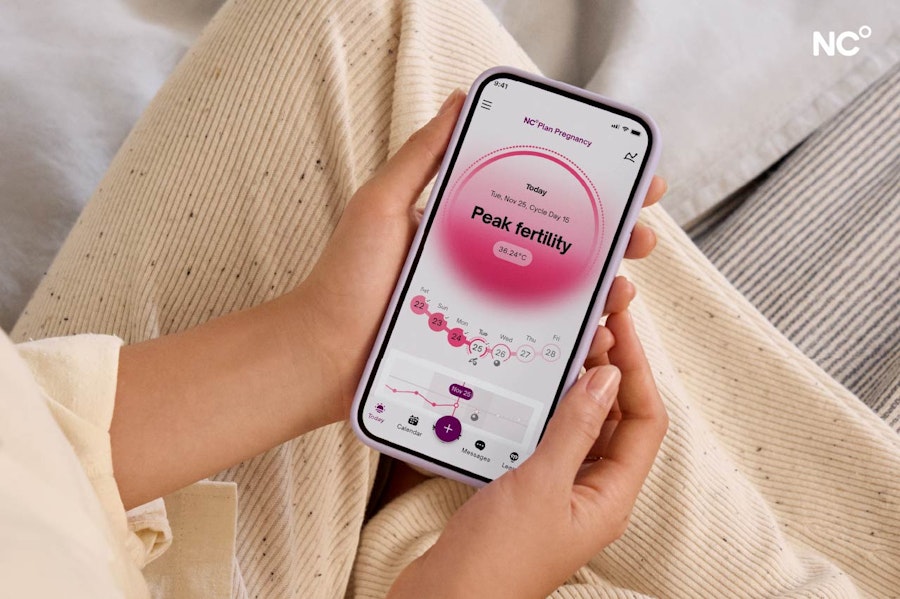
Tracking your cycle and the signs of ovulation can be difficult. Natural Cycles does the hard work for you. Powered by a one-of-a-kind fertility algorithm, it interprets biomarker data to help you pinpoint your ovulation and fertile window. The NC° app also flags any anovulatory cycles and lets you take notes on cervical mucus, spotting, and period characteristics. If you are trying to get pregnant, NC° Plan Pregnancy will show you fertile days on a red colour scale, with the darkest red being the highest chance of conception. You can also input ovulation test results and download a cycle record that you can bring to your doctor.
Did you enjoy reading this article?