Is the IUD safe?

Freya Eriksson

Jack Pearson
How does an IUD work?
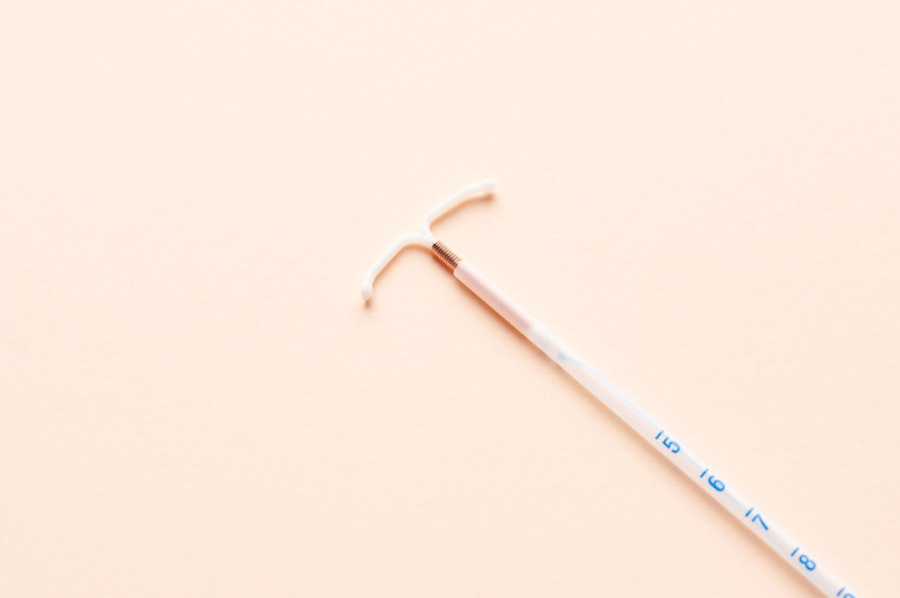
An IUD, or intrauterine device, is a long-acting birth control method. It looks like a small, T-shaped piece of plastic that is placed inside your uterus, where it can remain for between 3-12 years depending on the type you get. There are two types of IUD – the copper IUD and the hormonal IUD – and both are more than 99% effective.
The copper IUD works by creating a hostile environment in the uterus so that sperm can’t survive, and it also stops implantation from happening. Since the copper IUD doesn’t contain hormones, you will still ovulate and get your period with this method.
The hormonal IUD contains synthetic progesterone and works by making the cervical mucus thicker so that sperm can’t reach the egg. It can also prevent ovulation from happening and you don’t get your period if you have a hormonal IUD. But you may experience another type of spotting known as a withdrawal bleed. This type of bleeding is different to a period, and is caused by changes in hormone levels. Withdrawal bleeding is typically lighter than a menstrual bleed.
Who should not get an IUD?
While the IUD can be a great option for most people, it’s not suitable for everyone. Neither the copper or hormonal IUD are suitable if:
- You have a Sexually Transmitted Infection
- You have a pelvic infection or have had it in the last three months
- You have cervical or uterine cancer
- You’re pregnant
- You’re diagnosed with SLE (systemic lupus erythematosus)
There are also some guidelines that are specific to the different kinds of IUDs. For example, it isn’t recommended to get a copper IUD if you have Wilson’s disease (which causes the body to retain too much copper), a bleeding disorder, or an iron deficiency. A hormonal IUD is not suitable if you’ve had breast cancer.
Another thing that is good to keep in mind is that the IUD doesn’t protect against STIs, so it’s important to still use a condom if you’re at risk.
It’s always good to speak with your healthcare provider if you have questions or concerns about birth control – they can help you decide which method is right for you.
Are there any risks with getting an IUD?
When the first IUD came on the market, there were definitely some risks associated with it, and this is still affecting how the IUD is viewed today. Even though these older models are no longer in use, many people are still concerned about whether IUDs are safe.
Luckily, today’s IUDs are safe to use, and the risks of serious complications are very small. However, let’s go through a few of those rare ones that are good to know about.
Expulsion
Expulsion means that the IUD falls out, either completely or partially, and if that happens you’re no longer protected from pregnancy. It’s good to regularly check that the IUD strings are still in place, and you should reach out to your healthcare provider if you notice that the strings are not there or if they are suddenly a different length than before. If the IUD partially comes out, it has to be removed by a doctor or nurse. You should never try to remove it yourself.
It’s been suggested that using a menstrual cup when you have an IUD can cause expulsion, since the vacuum that makes the cup stay in place can cause the IUD to move or come out, but more research is needed in this area. If you do use a menstrual cup, it’s good to check your IUD strings to make sure it stays in place.
Infection
There is a very small risk of getting an infection when you have an IUD. However, it’s important to know that the IUD itself does not cause infection. Infection can happen if bacteria get into the uterus when the IUD is inserted, and it will then develop within the first twenty days after you have it put in.
It’s a common belief that IUDs cause pelvic inflammatory disease (PID), and this is most likely a remnant of the risks of those early IUDs. However, research into the IUDs used today has not found evidence to support that IUDs increase the risk of getting PID overall. Similar to other infections, there is a slightly increased risk during the first twenty days after insertion, but after that there is no increased risk. PID is more often caused by other reasons, such as getting an STI.
Perforation
Perforation means that the IUD is pushed through the wall of the uterus as it’s inserted. This is very rare and usually not painful, but if it does happen, the IUD needs to be removed.
What symptoms should I look out for?
Serious complications from an IUD are very rare, but it’s still important to be aware of what signs of infection or other issues look like – that way, you’ll know if and when to reach out to your healthcare provider. You should contact your doctor if you notice that:
- You have bleeding between periods or heavier bleeding than usual (the copper IUD can cause heavier periods overall, but it’s good to keep an eye on changes in bleeding patterns)
- Your vaginal discharge looks different than usual
- You have bad cramping or pain in your lower belly
- You suddenly get a fever or chills
- You have pain or bleeding during sex
- The IUD strings feel longer or shorter than usual
- You can feel the IUD through the cervix or in your vagina
- You have trouble breathing
Is it safe to use an IUD while breastfeeding?
The IUD is safe to use while you’re breastfeeding – it won’t affect your milk supply or your baby. You can use either a hormonal or copper IUD while you’re breastfeeding. It can be put in within the first 48 hours after giving birth, but if you don’t do it within that time, it’s recommended that you wait for at least four weeks before getting an IUD.
Finding the right birth control for you
At Natural Cycles, we believe that there’s no one-size-fits-all when it comes to birth control, and only you know which method is right for you. NC° Birth Control is the first and only FDA Cleared birth control app, so if you’re curious about trying a non-hormonal method that’s also free from side effects, why not find out if Natural Cycles is right for you?
Did you enjoy reading this article?